The Enduring Appeal of the Rodrick Rules Book: Why Young Readers Can't Get Enough
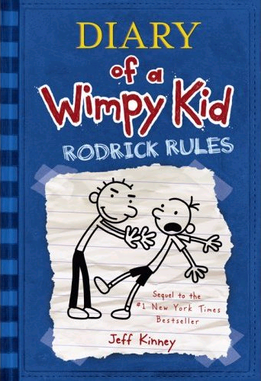
In the vast landscape of children's literature, few series have captured the hearts and funny bones of young readers quite like Jeff Kinney's Diary of a Wimpy Kid. And among its cherished volumes, the Rodrick Rules book stands out as a particular fan favorite, embodying everything that makes Greg Heffley's middle-school misadventures so relatable and laugh-out-loud hilarious. As the second installment in this #1 international bestselling series, published on February 1, 2008, Rodrick Rules delves deeper into the awkward realities of adolescence, anchored by an all-too-familiar sibling dynamic that strikes a chord with kids worldwide.
Jeff Kinney, a cartoonist whose genius has been recognized by Time magazine as one of the 100 Most Influential People, masterfully blends text and his signature cartoon illustrations to present Greg Heffley's world as a handwritten journal. This distinctive format is more than just a stylistic choice; it's a gateway into the unfiltered thoughts and struggles of a middle-schooler navigating social hierarchies, family absurdities, and the overarching challenge of simply fitting in. The Rodrick Rules book specifically focuses on Greg's desperate attempts to keep an embarrassing summer secret under wraps, a task made nearly impossible by his older brother, Rodrick, whose talent for sniffing out weakness is matched only by his love for torment.
Unpacking Greg's Secret and the Universal Drama of Sibling Rivalry
At the core of the Rodrick Rules book is a secret – a mortifying incident from Greg’s summer that he’s determined to bury forever. Unfortunately for Greg, his older brother, Rodrick, uncovers this juicy detail and wields it like a weapon, using it to blackmail and torment Greg at every turn. This central conflict immediately resonates with young readers, many of whom have experienced the unique blend of love, frustration, and power struggles that define sibling relationships.
The Universal Struggle of Sibling Dynamics
Kinney doesn't just present sibling rivalry; he dissects it with comedic precision. The dynamic between Greg and Rodrick is a masterclass in the exasperating push-and-pull familiar to countless households. Rodrick, with his heavy-metal band Löded Diper and his penchant for pranks, represents the quintessential older brother – annoying, often oblivious, and yet, occasionally capable of surprising moments of camaraderie. Greg, in turn, embodies the younger sibling's struggle for independence, respect, and a modicum of peace.
The book deftly explores the themes of trust and betrayal, as Greg grapples with the fallout of his secret being discovered. Readers witness Greg's schemes to outwit Rodrick, often leading to bigger, funnier mishaps, but also subtly highlighting the consequences of dishonesty and the importance of open communication within a family. This portrayal offers a mirror for young readers to reflect on their own family dynamics, teaching them (often through laughter) about navigating complex relationships. For a deeper dive into this central conflict, check out our related article: Unpacking Rodrick Rules: Greg's Secret & Sibling Rivalry.
Löded Diper: A Hilarious Catalyst for Chaos
No discussion of the Rodrick Rules book would be complete without mentioning Löded Diper, Rodrick's notoriously awful heavy-metal band. This band isn't just a quirky detail; it's a brilliant comedic device that amplifies the chaos in Greg's life. From their ear-splitting rehearsals in the Heffley basement to their ill-fated talent show performance, Löded Diper serves as a constant source of embarrassment for Greg and a catalyst for many of the book's most memorable, laugh-out-loud scenes. It embodies the awkward phase of adolescence where artistic aspirations often clash with rudimentary talent, a scenario many parents and children can appreciate with a cringe and a chuckle.
Kinney's Masterful Blend of Text and Illustration
One of the most defining characteristics of the Diary of a Wimpy Kid series, and particularly evident in the Rodrick Rules book, is Jeff Kinney's unique storytelling approach. By combining handwritten text with simple yet expressive cartoon illustrations, Kinney creates an immersive experience that feels personal and incredibly accessible.
Why the Journal Format Works
The choice to present Greg's narrative as a journal is a stroke of genius. It offers readers a direct, unfiltered glimpse into Greg's mind, complete with his often-flawed logic, self-centered observations, and genuine struggles. This first-person perspective fosters intimacy and authenticity, making Greg feel like a friend sharing his innermost thoughts and anxieties. For reluctant readers, the journal format breaks up large blocks of text, making the book less intimidating and more inviting. It also validates their own experiences, showing them that it's okay to feel awkward or confused during middle school.
The Power of Simple Cartoons
Kinney's illustrations are far from mere decorations; they are integral to the narrative. With minimalist lines, he conveys a vast range of emotions, from Greg's exasperation to Rodrick's mischievous glee, and the general bewilderment of adolescence. These simple drawings enhance the humor, clarify complex social situations, and provide visual punchlines that elevate the storytelling. They allow readers to "see" Greg's world, making the narrative more dynamic and engaging. It’s this seamless integration of words and pictures that makes the Rodrick Rules book a compelling read for visual learners and imaginative minds alike.
Themes That Hit Home for Young Readers
Beyond the laughs and the sibling antics, the Rodrick Rules book delves into universal themes that resonate deeply with its target audience, offering both entertainment and subtle insights into growing up.
Embarrassment, Self-Confidence, and Social Survival
Middle school is a minefield of potential social blunders, and Greg Heffley navigates it with a constant, often humorous, fear of embarrassment. The secret Rodrick holds over his head is the ultimate source of this fear, showcasing the immense pressure young people feel to maintain a certain image among their peers. The book brilliantly captures the anxieties around fitting in, being seen as "cool," and the often-cringeworthy attempts to achieve social standing. Readers connect with Greg's struggles because they reflect their own experiences of self-consciousness, the desire for acceptance, and the awkward journey toward self-confidence.
The Complexities of Family Life
While sibling rivalry is central, the Rodrick Rules book also paints a vivid picture of broader family dynamics. From parental attempts at mediation to family road trips that go awry, Kinney encapsulates the chaotic, loving, and sometimes exasperating reality of family life. These interactions teach young readers about compromise, conflict resolution (or the lack thereof), and the unbreakable, if sometimes tested, bonds that tie families together. It’s a comforting reminder that no family is perfect, and every household experiences its own brand of mayhem. To explore more about the comedic situations and middle-school challenges in the book, read our article: Rodrick Rules: Laughs, Löded Diper, and Middle School Mayhem.
Why Rodrick Rules Continues to Captivate
The enduring popularity of the Rodrick Rules book, and the Diary of a Wimpy Kid series as a whole, is a testament to Jeff Kinney's profound understanding of childhood. With over 300 million copies of the series sold globally, Kinney has tapped into a universal vein of humor and relatability that transcends cultural boundaries.
The book’s success lies in its ability to validate the often-unspoken anxieties of middle schoolers while making them laugh out loud. It assures young readers that their struggles with siblings, social pressures, and embarrassing moments are normal, even universal. Kinney’s accessible writing style and engaging illustrations make the reading experience enjoyable for even the most reluctant readers, fostering a love for books in a fun, non-intimidating way. The adventures of Greg Heffley, particularly in the Rodrick Rules book, remain a beacon of comedic relief and genuine connection for a new generation of readers, proving that some stories of growing up are timeless.
In conclusion, the Rodrick Rules book by Jeff Kinney is more than just a funny story; it's a cultural phenomenon that brilliantly captures the essence of middle school life. Through Greg's hilarious struggles with his brother Rodrick, a mortifying secret, and the ever-present quest for social survival, Kinney delivers a narrative rich with relatable themes and belly laughs. Its unique blend of text and illustration creates an accessible and engaging reading experience, making it a beloved choice for young readers and a significant entry in the canon of contemporary children's literature. Pick up a copy of the Rodrick Rules book and dive into the enduring, awkward, and undeniably hilarious world of Greg Heffley – you won't regret it.