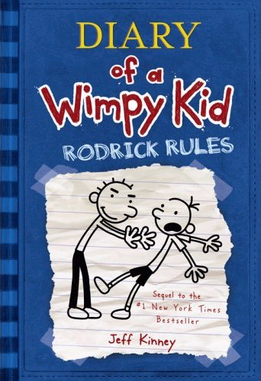
Rodrick Rules: Laughs, Löded Diper, and Middle School Mayhem
Few books capture the tumultuous, often uproarious, reality of middle school quite like the
Diary of a Wimpy Kid: Rodrick Rules book. As the second installment in Jeff Kinney’s globally adored series, this illustrated novel solidifies its place as a fan favorite, plunging readers deeper into the chaotic yet utterly relatable life of Greg Heffley. Published on February 1, 2008, and following the runaway success of the first book,
Rodrick Rules masterfully expands on the unique blend of text and cartoons that defines the series, delivering a narrative brimming with sibling rivalry, embarrassing secrets, and the universal quest for social survival.
At its core, the
Rodrick Rules book is a comedic exploration of a classic dilemma: what happens when your worst secret falls into the hands of your older brother? Greg Heffley, our endearing protagonist, finds himself in just such a predicament after a mortifying summer incident. His older brother, Rodrick, a drumming enthusiast with an affinity for torment, unearths this secret and uses it as leverage, turning Greg's already awkward middle school existence into a daily battleground. It's a testament to Kinney’s genius that he can transform everyday sibling squabbles and adolescent anxieties into laugh-out-loud scenarios that resonate with millions.
Unpacking the Mayhem: What Makes "Rodrick Rules" Tick?
The central conflict of the
Rodrick Rules book is the relentless psychological warfare between Greg and Rodrick. Greg's desperate attempts to keep his embarrassing summer secret under wraps drive much of the plot. Readers are immediately invested in his plight, cringing and chuckling as Rodrick, armed with this explosive information, makes Greg's life a living nightmare. This dynamic perfectly captures the essence of sibling relationships – a delicate balance of love, hate, competition, and grudging camaraderie.
Rodrick himself is a memorable character. He's the quintessential older brother: lazy, prone to mischief, and obsessed with his heavy-metal band, Löded Diper. This band, notoriously terrible and incredibly loud, provides a significant source of comedic relief and further complicates Greg's life. From their ear-splitting practices in the basement to their disastrous talent show performances, Löded Diper is a chaotic force that Greg constantly tries to distance himself from, often with hilariously unfortunate results.
Kinney's signature journal format, complete with Greg's handwritten text and simple, expressive cartoons, is more than just a stylistic choice; it's a narrative powerhouse. It allows readers direct access to Greg's unfiltered thoughts, anxieties, and schemes, making his experiences feel incredibly personal and authentic. This direct window into Greg's mind is what transforms him from a fictional character into a universally understood representation of the middle school experience, anxieties and all. Every doodle, every sarcastic note, adds layers to the story, turning what could be a simple narrative into a rich, immersive dive into a pre-teen's psyche.
The Enduring Themes of Middle School Life
The
Rodrick Rules book isn't just about laughs; it's a poignant, albeit humorous, exploration of universal themes that define adolescence:
- Sibling Relationships and Rivalry: This is arguably the most dominant theme. The Heffley brothers' constant bickering, power struggles, and occasional, grudging moments of solidarity mirror countless real-world sibling dynamics. Kinney perfectly illustrates the push-pull of these relationships, where one moment can be filled with intense dislike, and the next with an unspoken bond.
- The Consequences of Secrets and Dishonesty: Greg's entire ordeal stems from his secret and his attempts to keep it buried. The book highlights how secrets can become heavy burdens, leading to anxiety, manipulation, and ultimately, awkward revelations. It subtly teaches young readers about the value of honesty, even when it’s difficult.
- Embarrassment and Self-Confidence: Greg is perpetually concerned with his social standing and avoids anything that could label him as "uncool." His deep fear of public humiliation, particularly because of Rodrick, is a feeling most middle schoolers can instantly relate to. The book shows how even the smallest slip-up can feel like the end of the world to a developing adolescent.
- Family Dynamics: Beyond the brothers, the book also touches on the role of parents in mediating sibling conflicts and trying to maintain some semblance of order. Frank and Susan Heffley's attempts to foster brotherly love, often through well-intentioned but misguided interventions, add another layer of relatable family chaos to the narrative.
These themes are presented not through heavy-handed lessons but through the natural unfolding of Greg's life, allowing young readers to connect with the material on a deeply personal level and perhaps even find solace in shared experiences.
Jeff Kinney's Masterstroke: Art, Text, and Relatability
The brilliance of the
Rodrick Rules book, and the entire Diary of a Wimpy Kid series, lies in Jeff Kinney’s innovative storytelling approach. A #1 international bestselling author and one of Time magazine's 100 Most Influential People, Kinney draws from his own relatable experiences of middle school dynamics to craft stories that resonate globally. He isn't just an author; he's a cartoonist who understands how visual narrative can elevate a story.
The integrated text and illustrations are key to the series' widespread appeal. The simple, often stick-figure-esque drawings aren't merely decorative; they are an integral part of the storytelling, conveying emotions, actions, and comedic timing in a way that pure text could not. This accessible style makes the books incredibly engaging, especially for reluctant readers who might be intimidated by text-heavy novels. Kinney’s ability to combine humor with genuine insight into adolescent struggles is what sets the Rodrick Rules book apart. He doesn't sugarcoat the awkwardness, the unfairness, or the frustrations of growing up; instead, he presents them in a way that is both hilariously funny and profoundly empathetic. This unique format has contributed significantly to the series' monumental success, selling over 300 million copies worldwide.
Beyond the Pages: Lessons and Laughter for Families
The enduring appeal of the
Rodrick Rules book isn't just its laugh-out-loud moments; it’s also the subtle, yet powerful, opportunities it presents for family engagement and discussion. For many young readers, Greg’s experiences are their own, thinly veiled in humor.
Here are a few ways the book can offer value beyond pure entertainment:
- Initiating Conversations: Parents can use the book as a springboard to discuss sibling rivalry in their own homes. "Do you ever feel like Greg?" or "What do you think Rodrick's motivations are?" can open lines of communication about complex family dynamics.
- Empathy and Perspective: Reading about Greg's struggles can help children develop empathy by seeing situations from another's point of view. It also offers parents a glimpse into the often-hidden world of middle school social pressures.
- Coping with Embarrassment: Greg's constant fear of being embarrassed is a universal feeling. The book can normalize these feelings and encourage discussions about how to handle mortifying moments, perhaps even finding humor in them.
- The Power of Honesty: The secret at the core of the story provides an excellent opportunity to talk about the pros and cons of keeping secrets and the importance of honesty and trust within families and friendships.
The accessible nature of the
Rodrick Rules book makes it a perfect choice for shared reading, fostering not just a love for reading, but also valuable family discussions that can strengthen bonds and provide coping mechanisms for navigating the tricky waters of adolescence.
Whether you're a young reader navigating your own middle school trials or an adult revisiting the awkward charm of adolescence, the
Rodrick Rules book offers a timeless journey filled with laughter, lessons, and the undeniable truth that growing up is rarely neat. It continues to be a beloved installment in the Diary of a Wimpy Kid series, proving that sometimes, the greatest adventures are found in the most ordinary (and embarrassing) moments of everyday life.